Данная презентация разработана для работы с обучающимися в 9 классе по теме "Изобретения". С помощью этой презентации возможно провести этап актуализации знаний по теме "Ученые и их изобретения", отработать умение употреблять страдательный залог в простом прошедшем времени.
Создайте Ваш сайт учителя Видеоуроки Олимпиады Вебинары для учителей
Презентация к уроку в 9 классе по теме "Изобретения"
Вы уже знаете о суперспособностях современного учителя?

Как тратить минимум сил на подготовку и
проведение уроков?

Как быстро и объективно проверять
знания учащихся?

Как сделать изучение нового материала
максимально понятным?

Как избавить себя от подбора заданий и
их проверки после уроков?

Как наладить дисциплину на своих
уроках?

Как получить возможность работать
творчески?
Просмотр содержимого документа
«Презентация к уроку в 9 классе по теме "Изобретения" »

SCIENCE
INVENTIONS
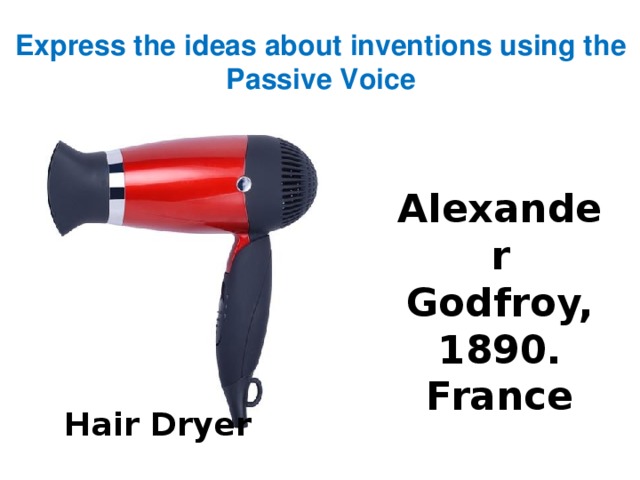
Express the ideas about inventions using the Passive Voice
Alexander Godfroy, 1890. France
Hair Dryer
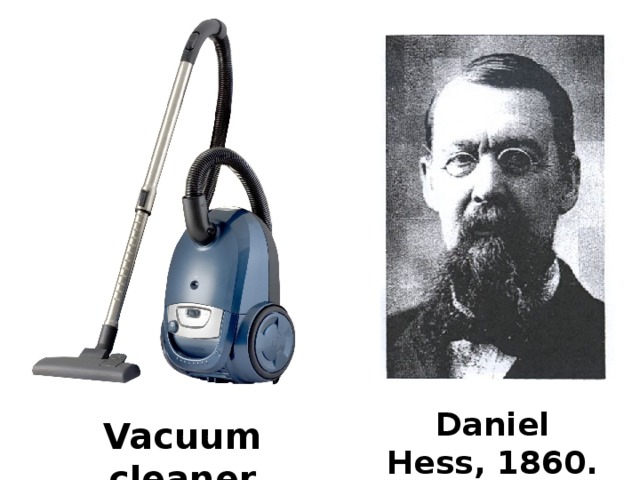
Daniel Hess, 1860. The USA
Vacuum cleaner
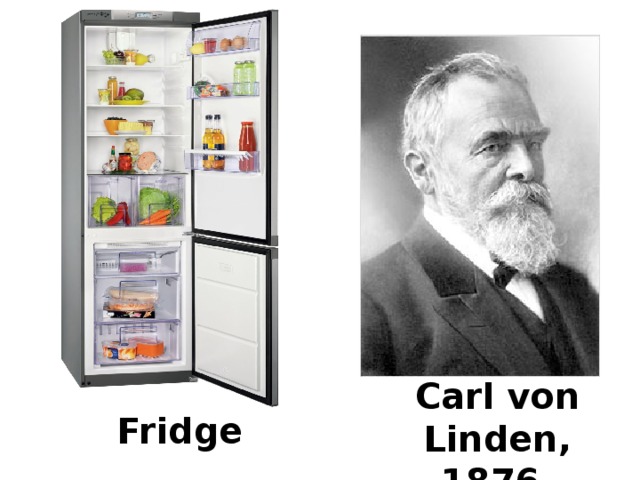
Carl von Linden, 1876. Germany
Fridge
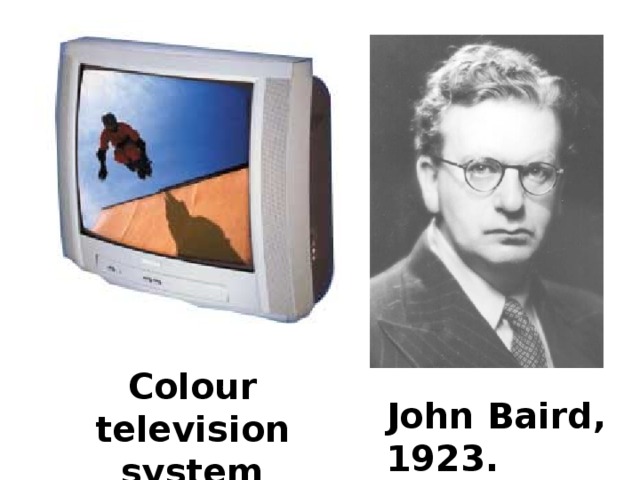
Colour television system
John Baird, 1923. England
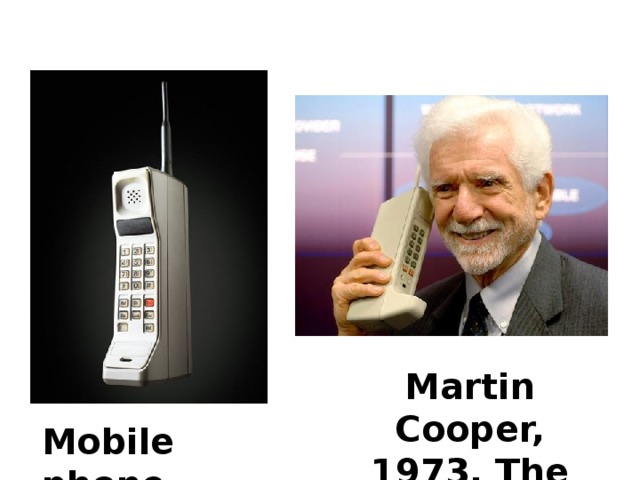
Martin Cooper, 1973. The USA
Mobile phone
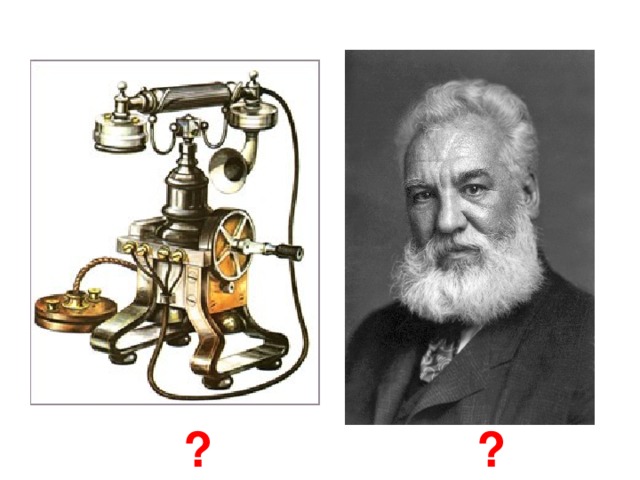
?
?
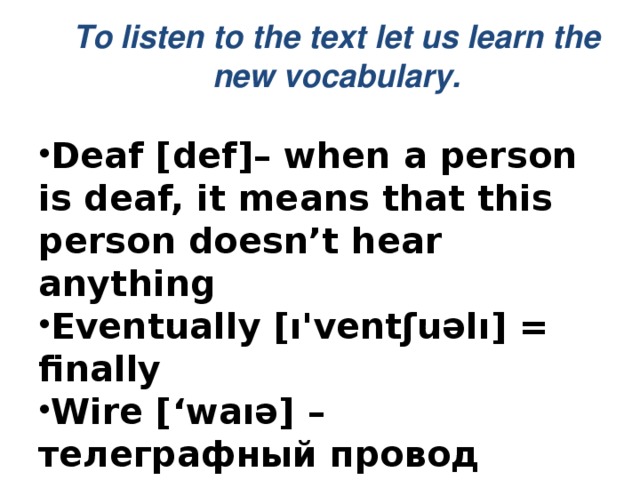
To listen to the text let us learn the new vocabulary.
- Deaf [def]– when a person is deaf, it means that this person doesn’t hear anything
- Eventually [ı'ventʃuəlı] = finally
- Wire [‘waıə] – телеграфный провод
- Amazement = surprise - удивление
Listen to the text and be ready to answer these questions .
Who is the text about?
When was the first phone call made?
1.Was Alexander Bell an American or English inventor?
2.Which of Bell’s relatives were deaf?
3.What was the problem with the telegraph?
4.How did Bell feel about his invention?
5.Who was the first to learn about the invention of the phone?
6.Was Alexander Bell famous and rich?
7.Was the invention of the phone important?
1.Alexander Bell was born in the USA.
2.Bell’s mother and wife were deaf.
3.Bell’s father was an actor and was interested in
helping people who had problems with speaking.
4.The inventor was interested in problems of
communication.
5.The only way people could communicate over
long distances in the middle of the nineteenth
century was by phone.
6.Alexander Bell was satisfied with the telegraphs.
He didn’t want people to communicate faster.
7.The first words ever spoken by phone were:
“ Watson, come here! I want to see you.”
8. Alexander Bell was proud of his achievement. Very soon he became rich and famous.
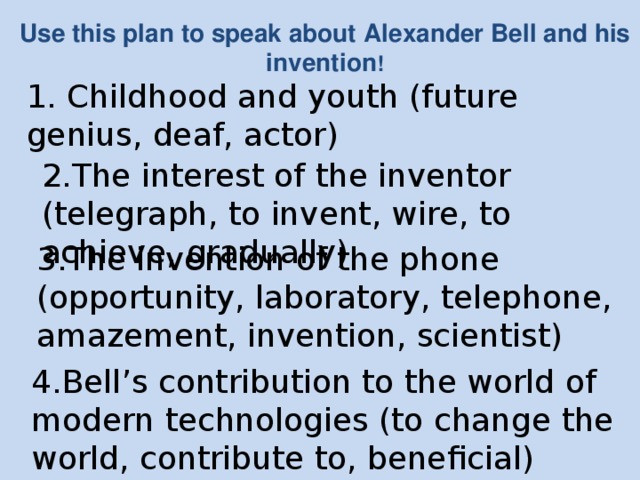
Use this plan to speak about Alexander Bell and his invention !
1. Childhood and youth (future genius, deaf, actor)
2.The interest of the inventor (telegraph, to invent, wire, to achieve, gradually)
3.The invention of the phone (opportunity, laboratory, telephone, amazement, invention, scientist)
4.Bell’s contribution to the world of modern technologies (to change the world, contribute to, beneficial)








Похожие файлы
Полезное для учителя




Распродажа видеоуроков!

1860 руб.
2660 руб.

1880 руб.
2690 руб.

1860 руб.
2660 руб.

2160 руб.
3080 руб.
ПОЛУЧИТЕ СВИДЕТЕЛЬСТВО МГНОВЕННО

* Свидетельство о публикации выдается БЕСПЛАТНО, СРАЗУ же после добавления Вами Вашей работы на сайт
Удобный поиск материалов для учителей
Проверка свидетельства